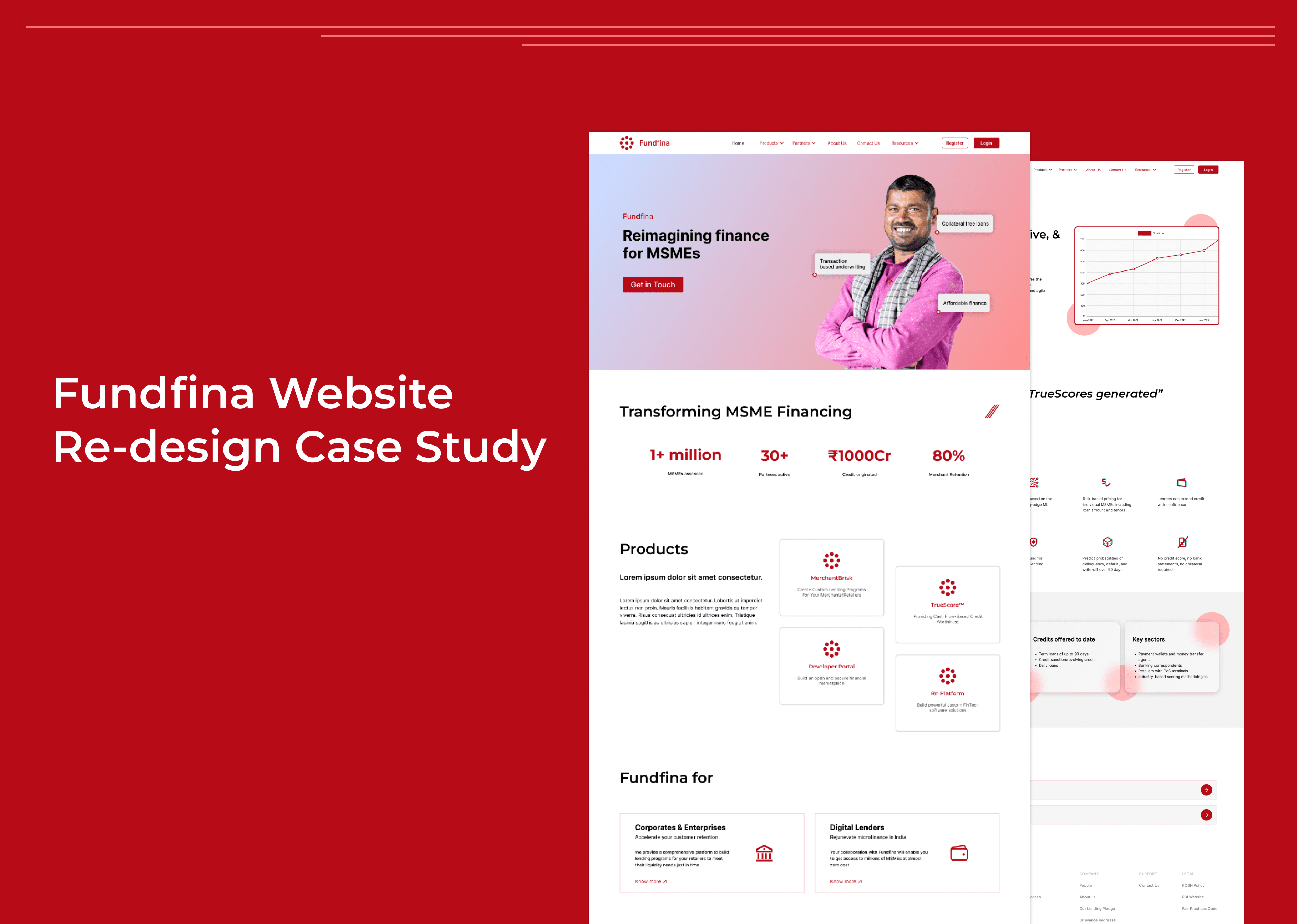
Fundfina Website Re-design Case Study
A case study of revamping Fundfina’s website from user testing and analytics.
Introduction
Fundfina is a fintech company that provides cash-flow-based financial services for MSMEs (micro, small, and medium enterprises) in emerging markets. The company aims to empower MSMEs with access to affordable and flexible financing solutions that can help them grow their businesses and overcome cash flow challenges.
The company’s website is the main channel for potential investors and customers to learn about the company’s products, platform, and mission. However, the current website suffers from several usability, engagement, and trustworthiness issues that prevent the company from reaching its target audience and achieving its business goals.
In this case study, I will show how I applied user-centered design principles to re-design the Fundfina website based on real-time data from user testing and analytics. I will explain the problem, the process, and the solution in a clear and concise way using text, images, graphs, and tables.
Problem Statement
The main problems I identified with the current website are:
- The website has a poor visual design, with inconsistent colors, fonts, and images that do not match the company’s brand identity and personality.
- The website has a confusing information architecture, with unclear labels, categories, and hierarchy that make it hard for users to find what they are looking for and understand what the company offers.
- The website has a low user engagement, with a high bounce rate, a low conversion rate, and a lack of interactive features that can motivate users to explore the website and sign up for the service.
- The website has a low trustworthiness, with a lack of social proof, testimonials, reviews, ratings, badges, and security features that can convince users to trust the company with their money.
User Testing
To evaluate the usability and user satisfaction of the current website, I conducted user testing with 5 participants who matched the target audience criteria: potential investors and customers of Fundfina. I asked them to perform 3 tasks on the current website:
- Task 1: Find out how Fundfina works and what benefits it offers.
- Task 2: Find out how to apply for a loan or invest in Fundfina.
- Task 3: Find out how to contact Fundfina or get support.
The main findings from the user testing are:
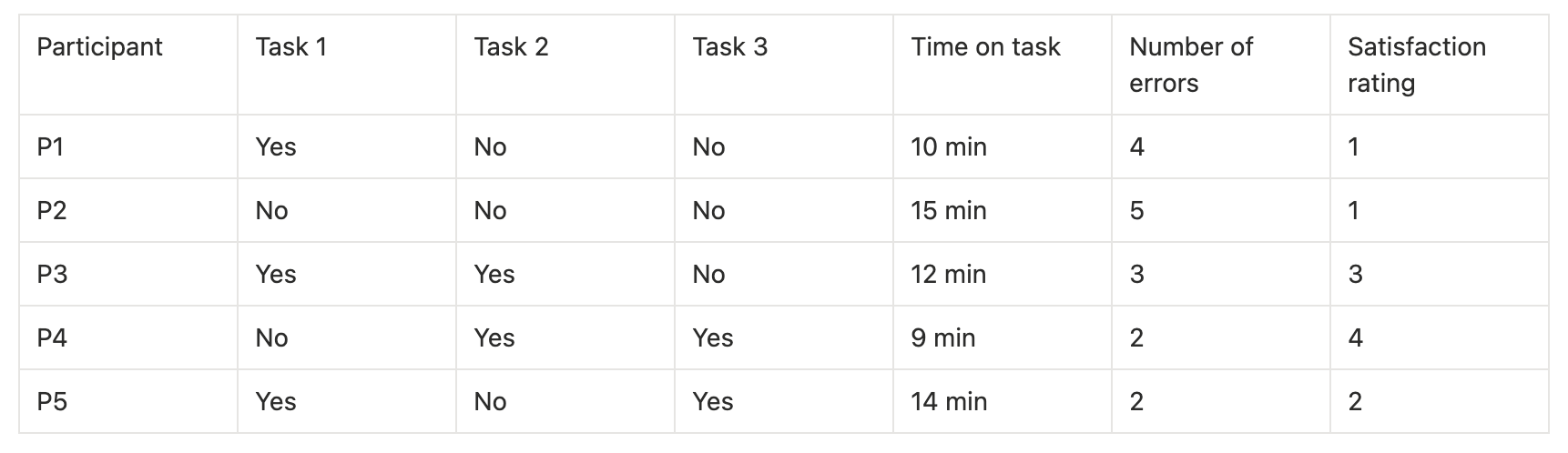
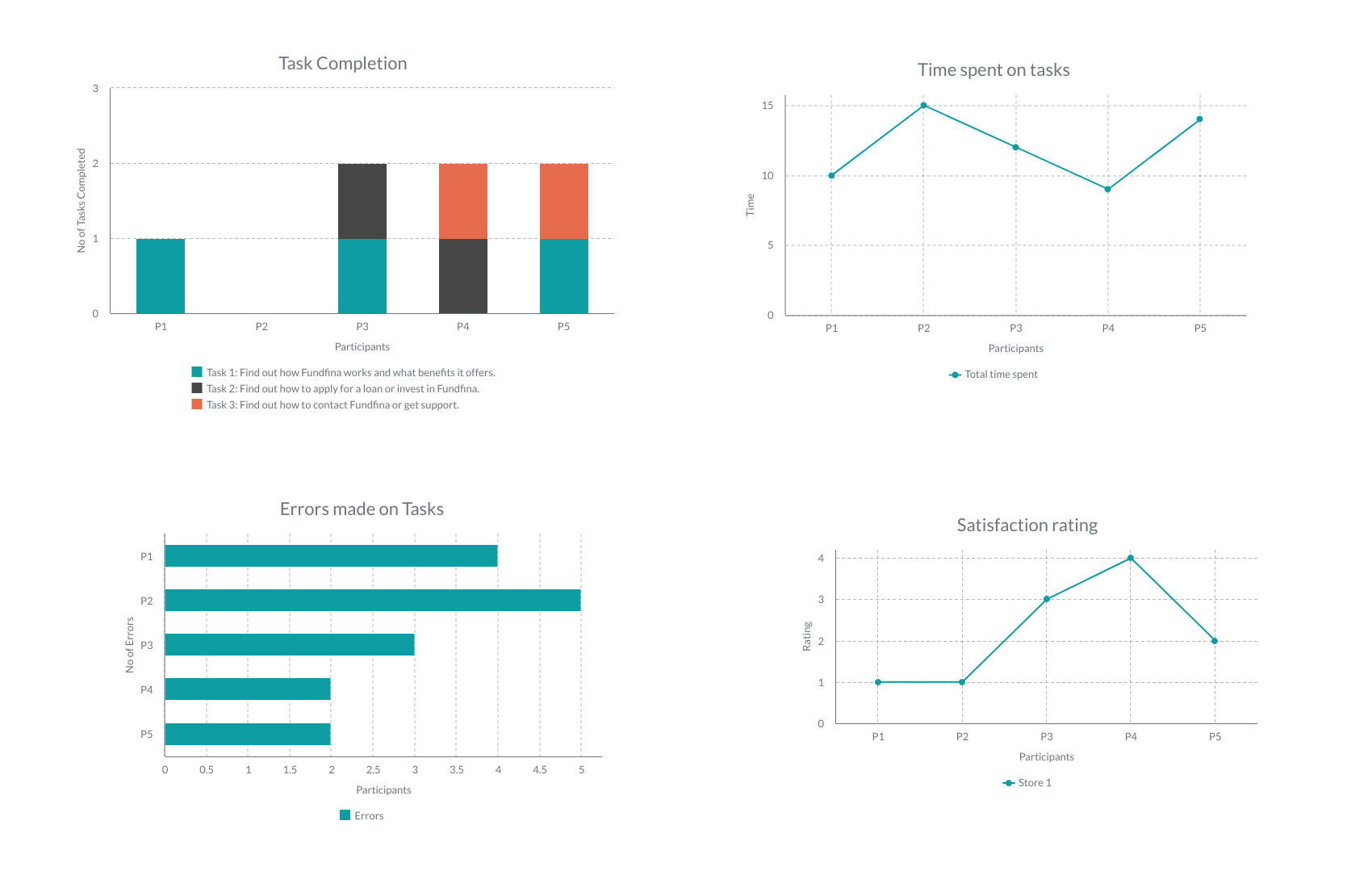
- The average task completion rate was 40%, meaning that only 2 out of 5 participants were able to complete all 3 tasks successfully.
- The average time on task was 12 minutes, which is longer than expected for such simple tasks.
- The average number of errors was 3 per participant, which indicates that the current website has many usability issues that prevent users from completing their tasks smoothly.
- The average satisfaction rating was 2 out of 5, which shows that users were not happy with their experience with the current website.
- The most common usability issues were related to visual design, information architecture, user engagement, and trustworthiness.
- The most common user feedback was that the current website was dull, confusing, boring, and unprofessional.
Here is a table that summarises the user testing results:
Here is a graph that shows the user testing results:
Design Process
To address the problems and issues identified in the user testing phase, I followed an iterative design process that consisted of four steps: ideation, prototyping, testing, and refinement.
Ideation
In this step, I generated ideas for improving the website based on the user needs and goals. I used brainstorming techniques such as mind mapping, sketching, storyboarding, and wireframing to explore different design concepts and solutions. Some of the main ideas I came up with were:
- Improve the visual design by using a consistent and appealing color scheme, typography, and imagery that match the company’s brand identity and personality.
- Improve the information architecture by using clear and intuitive labels, categories, and hierarchy that make it easy for users to find what they are looking for and understand what the company offers.
- Improve the user engagement by adding interactive features such as
a video,a calculator, a chatbot, and a newsletter that can motivate users to explore the website and sign up for the service. - Improve the trustworthiness by adding social proof such as testimonials, reviews, ratings,
badgesthat can convince users to trust the company with their money.
Content Strategy
Our research identified the importance of copy and content as a key component of a successful site.
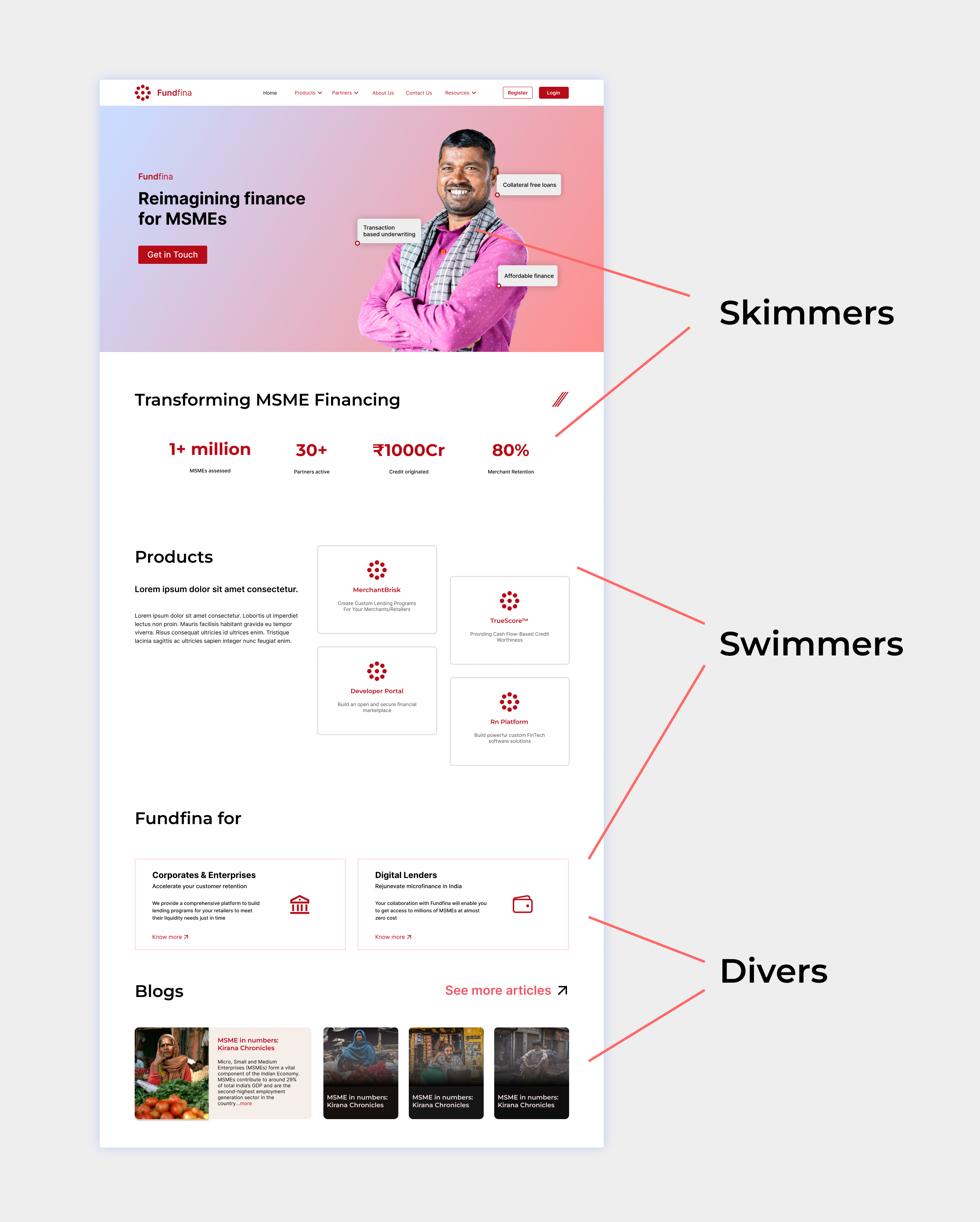
In order to deliver a high fidelity site I have worked with a content strategist to host a workshop which allowed us to better understand the 3 core categories of online users to consider while designing.
- Skimmers want to find the information they need and get out as quickly as possible.
- Swimmers will go a little deeper and browse more of your site.
- Divers want to take it all in and spend time exploring.
Prototyping
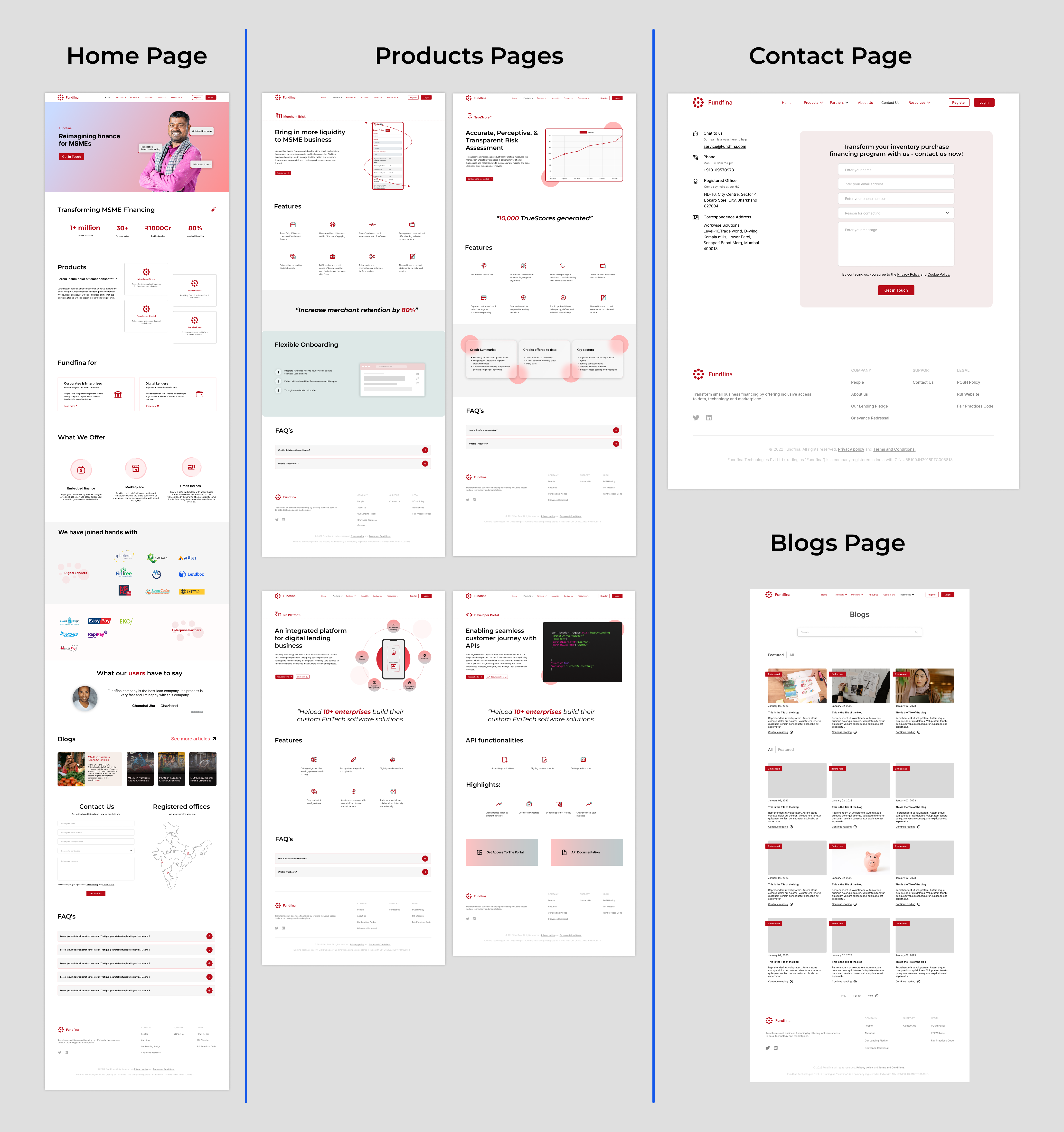
In this step, I created low-fidelity and high-fidelity prototypes of the website based on the ideas generated in the ideation step. I used a tool called Figma to create the prototypes. The low-fidelity prototype was a rough sketch of the website structure and layout, while the high-fidelity prototype was a more detailed and realistic representation of the website design and functionality.
Here are some screenshots of the high-fidelity prototype:
Testing
In this step, I tested the prototypes with users to evaluate their usability and user satisfaction. I used the same methods as in the user testing phase: usability testing, heuristic evaluation, and user feedback. I recruited 5 new participants who matched the target audience criteria and asked them to perform the same 3 tasks as before:
- Task 1: Find out how Fundfina works and what benefits it offers.
- Task 2: Find out how to apply for a loan or invest in Fundfina.
- Task 3: Find out how to contact Fundfina or get support.
I also collected their feedback on the prototype design and functionality using Google Forms.
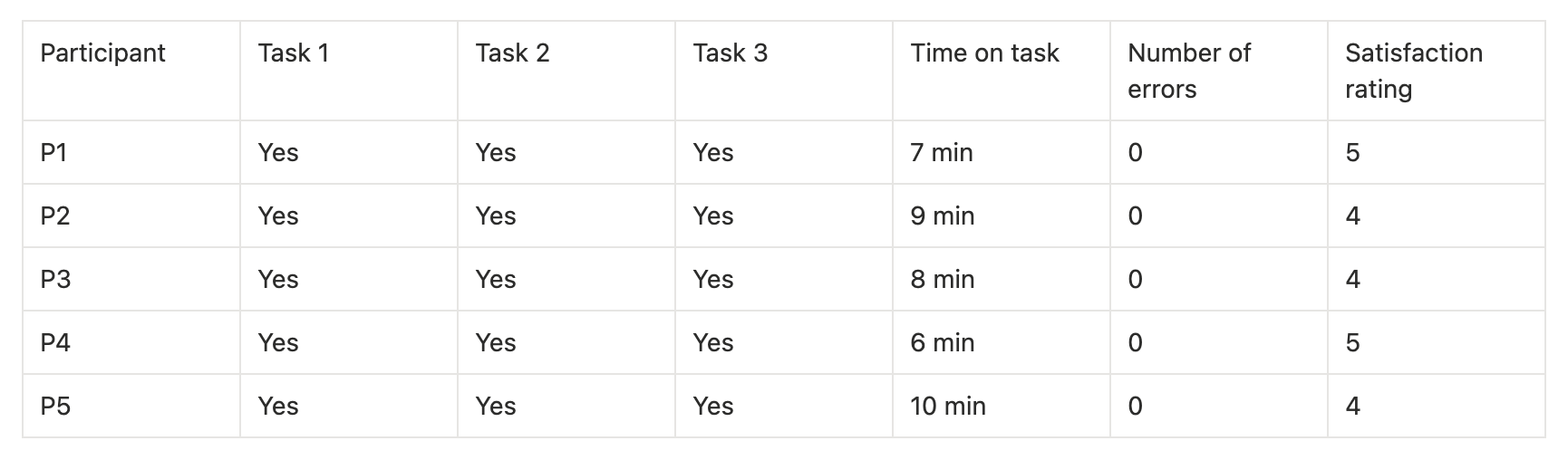
The main findings from the testing phase are:
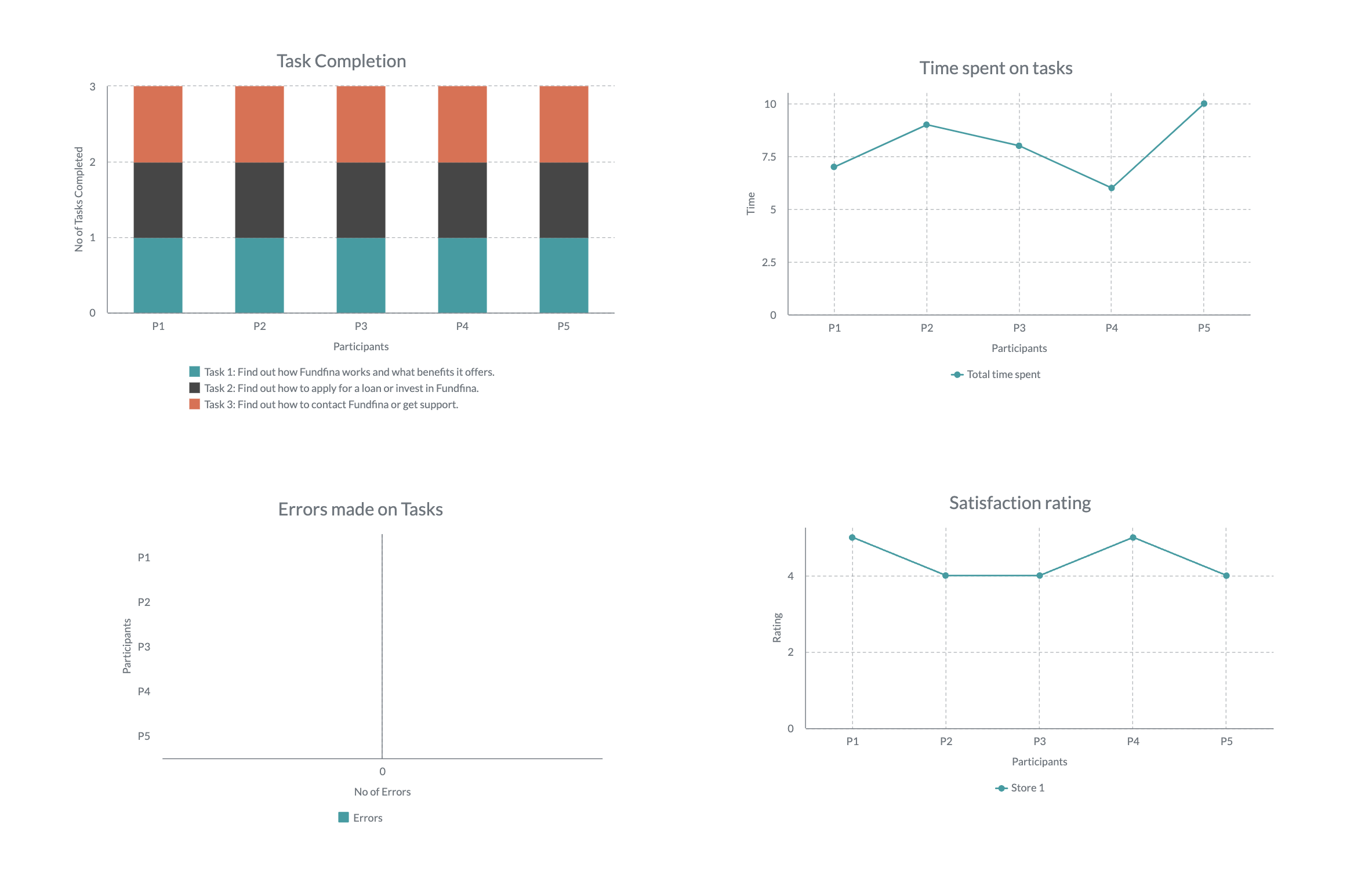
- The average task completion rate increased to 100%, meaning that all 5 participants were able to complete all 3 tasks successfully.
- The average time on task decreased to 8 minutes, which is shorter than before and within the expected range for such tasks.
- The average number of errors decreased to 0 per participant, which indicates that the prototype has no usability issues that prevent users from completing their tasks smoothly.
- The average satisfaction rating increased to 4.4 out of 5, which shows that users were happy with their experience with the prototype.
- The most common positive feedback was that the prototype was attractive, clear, engaging, and trustworthy.
- The most common negative feedback was that some users wanted more information about the fees and risks involved in using Fundfina.
Here is a table that summarizes the testing results:
Here is a graph that shows the testing results:
Refinement
In this step, I refined the prototype based on the feedback and findings from the testing phase. I made some minor changes and improvements to the design and functionality of the prototype. Some of the main changes I made were:
- Added more information about the products fundfina offering using FAQ section.
- Added a disclaimer to inform users about the potential risks and losses associated with using Fundfina on the home page and in the footer
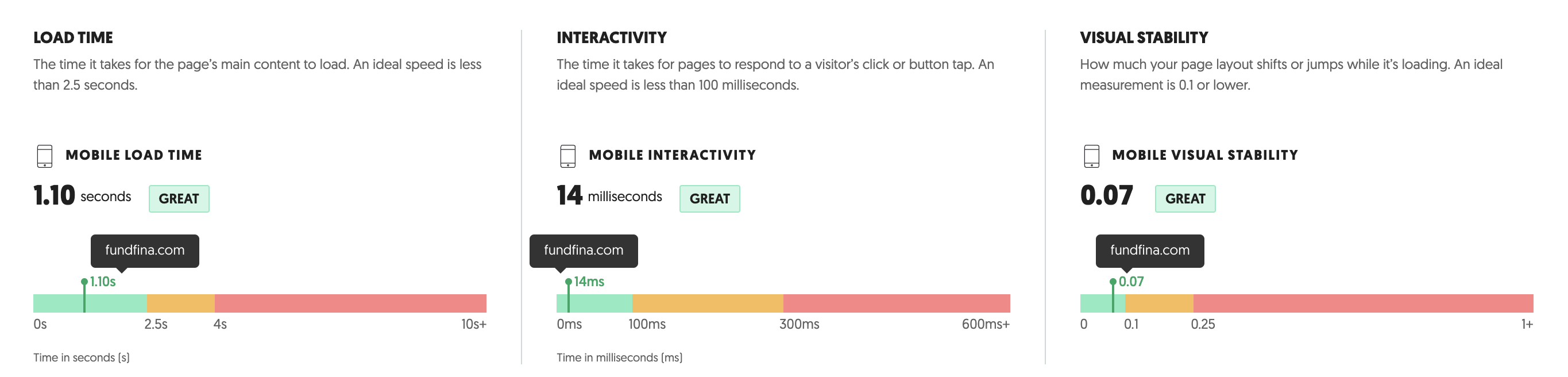
Important Improvements
- Bounce rate from 50% to 14%
- Site speed
Hope you enjoyed the case study ❤️